
LNG at minus 162: how we move a gas as a liquid
Cooling methane until it shrinks 600 times, and the cold chain that makes it work.

LPG is a gas that behaves like a liquid the moment you squeeze it, and that single trick is what puts propane and butane in reach of a village cooker or a factory burner far from any pipeline. Getting it there means holding it under pressure or under deep cold at every step, from the refinery gate to the last cylinder on a doorstep.
LPG is a family of two: propane and butane, both light hydrocarbons that come off gas-processing plants and refineries. At normal temperature and pressure they are gases, but a modest squeeze turns them into a liquid that takes up about one two-hundred-and-fiftieth of the space. That is the property the whole trade is built on.
Propane boils at minus 42 degrees Celsius, so it keeps vaporising even in a hard frost, which makes it the fuel of choice for cold climates and outdoor storage. Butane boils near zero, holds a touch more energy per litre, and suits warmer markets, cigarette lighters, and aerosol cans. Most cargoes move as one product or the other, sometimes as a defined mix, and the two are priced separately because they are not interchangeable.
There are two ways to keep LPG liquid, and the choice sets the whole logistics chain that follows.
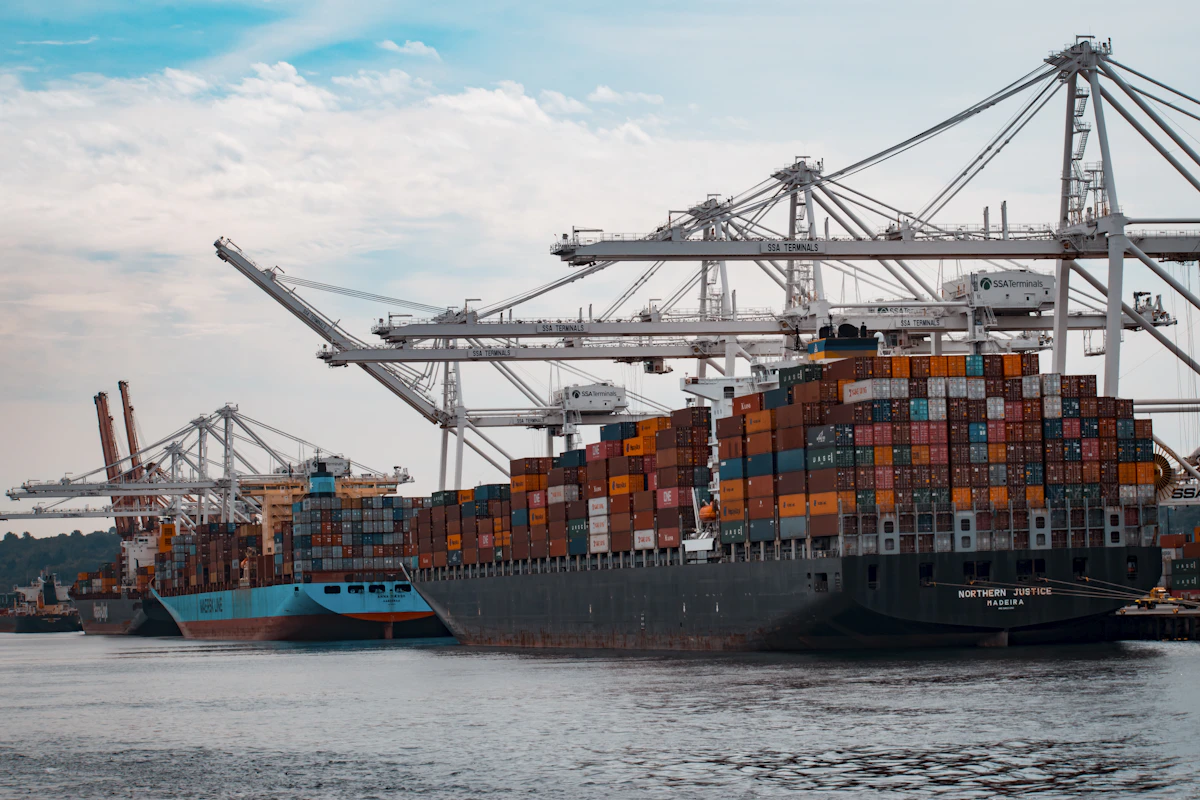
At sea, the very large gas carrier is the workhorse, loading from export terminals in the Middle East and the United States and discharging into coastal storage. Every tank carries relief valves, and the cargo is odorised with a trace of mercaptan so any leak announces itself long before it turns dangerous. LPG is heavier than air and pools in low spaces, so handling discipline is never optional.
Squeeze propane and it becomes a liquid you can pour; that one trick puts clean fuel in reach of anyone off the pipeline.
The hardest part of the LPG chain is the shortest. A cargo that crossed an ocean as a single 44,000-tonne parcel has to end up as a 12.5 kilogram cylinder a family can carry home. That happens in stages: the ship discharges into a coastal import terminal, road or rail tankers move bulk to bottling plants, and each plant fills cylinders in the sizes its market uses, from a six-kilo camping bottle to a 45-kilo commercial one. Bulk customers, factories and larger buildings, take delivery straight into their own pressure tanks by road tanker.
That distribution web is where LPG earns its place in the energy transition. It carries a clean-burning cooking and heating fuel to households a gas grid will never reach, displacing wood, charcoal, and kerosene. We trade LPG on FOB and CIF terms, pressurised or refrigerated, priced off the Saudi contract price and the US benchmarks, with independent inspection at the load port.
Cooling methane until it shrinks 600 times, and the cold chain that makes it work.
How one sulphur rule rewired marine fuel, and where bunkering stands now.
A cargo at sea is a clock running. How charter parties keep it honest.
Tell us the product, the volume, and the port. You will have a workable offer back within two working days.